
Who This Helps
Pre-Opening / Upgrade / Efficiency projects involving reception and brand image
3 Core Takeaways
- 01Use this guide to evaluate reception and brand image before committing to design, equipment or construction decisions.
- 02Use this article to evaluate reception and brand image questions before planning or upgrading.
- 03Use the diagrams to understand spatial relationships, bay organization and workflow.
Design Affects Whether Customers Are Willing to Walk In
When customers first see a shop, they usually judge first whether its appearance, storefront, entrance, and parking are clear. If the shop looks messy, unrecognizable, and disorderly, customers will naturally turn to a more trustworthy option.
Design helps a shop project professionalism at first glance, letting customers know what vehicles it serves, what services it offers, and whether it's worth trusting.
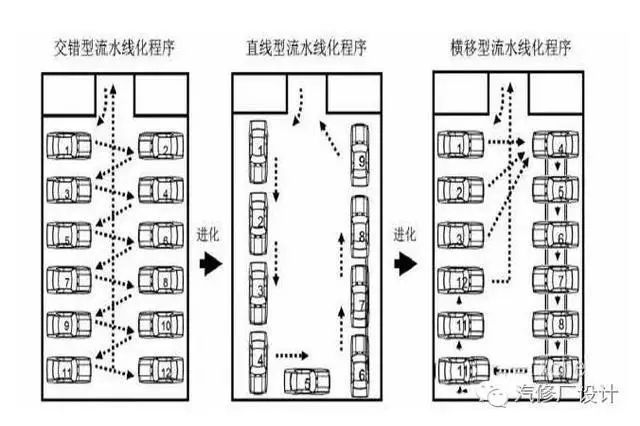
Use this visual with the section above to read spatial relationships, bay organization and site conditions.
Design Affects Whether Customers Are Willing to Trust
Auto repair involves strong information asymmetry. Customers don't understand repair details, so they rely more on the environment, the process, and how staff communicate. The reception area, transparent repair, quotation explanations, customer rest areas, and the handover experience all shape trust.
The clearer the spatial design, the easier it is for customers to understand the service process — and the fewer doubts they have.
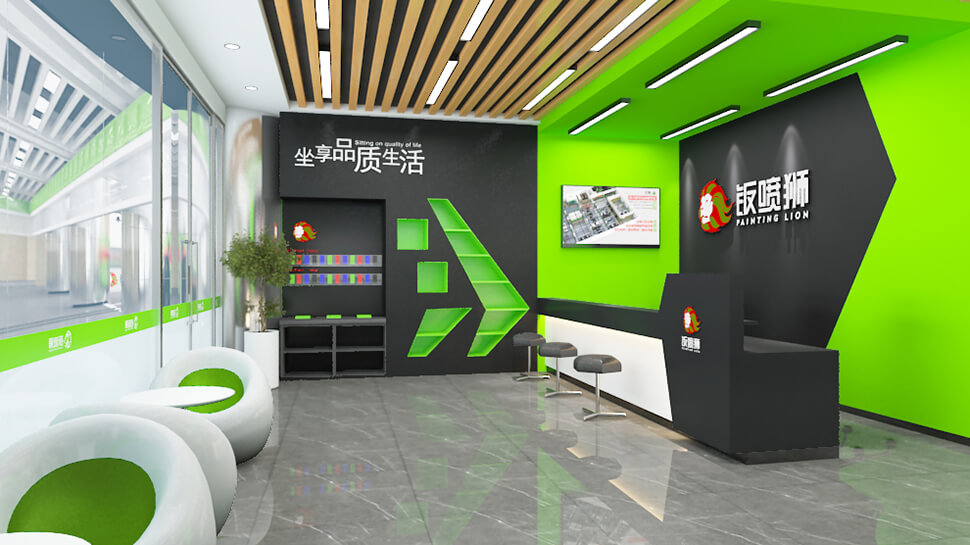
Use this visual with the section above to read spatial relationships, bay organization and site conditions.
Design Affects Technician and Bay Efficiency
Workshop layout directly affects technicians' daily efficiency. If bays, aisles, equipment, parts storage, and tool placement are unreasonable, time gets wasted moving cars, finding parts, and taking detours.
Good design puts high-frequency actions close at hand and low-frequency actions in suitable spots, so workshop operations run more smoothly.

Use this visual with the section above to read spatial relationships, bay organization and site conditions.
Design Affects Construction and Equipment Implementation
Repair shops have a lot of equipment and complex construction requirements. If design doesn't account in advance for foundations, air lines, power, drainage, exhaust, and fire protection, the construction phase will see repeated changes.
Buildable design unifies spatial effect with construction requirements, reducing later communication and rework.
Design Affects the Shop's Future Upgrades
A shop's business changes: today it's mechanical repair and maintenance; tomorrow it may add car wash and detailing, tires, collision repair, or new energy vehicles. Without expansion logic built into the design, later upgrades become very difficult.
Excellent repair shop design considers current operations and future development together.
Self-Check List
- 01The first impression builds customer trust
- 02Reception, waiting and handover routes are clear
- 03Facade and interior brand expression are consistent
Article Keywords
Related Entry Points
Auto repair shop planning, workshop layout, brand SI and drawing support.
Planning ideas for quick service, collision, tire, detailing and dealership projects.
From site diagnosis and layout scheme to implementation support.
Share area, photos or a plan for a quick layout priority review.