
Who This Helps
Upgrade / Efficiency projects involving reception and brand image
3 Core Takeaways
- 01Use this guide to evaluate reception and brand image before committing to design, equipment or construction decisions.
- 02Use this article to evaluate reception and brand image questions before planning or upgrading.
- 03Use the diagrams to understand spatial relationships, bay organization and workflow.
Start With the Business Objective
This part focuses on start with the business objective in relation to reception and brand image. For an automotive service space, the key is to connect business positioning, vehicle flow, people flow, service bays, equipment points and customer-facing areas instead of treating decoration as an isolated task.
Before moving into drawings or construction, owners should check whether the current plan supports daily operation: vehicles should enter and leave clearly, technicians should work without unnecessary detours, customers should understand the service process, and equipment conditions should be coordinated with the site.
Zhuoyi Design uses this type of question to turn early planning into practical design scope, including layout logic, workshop organization, reception image, brand expression and implementation coordination.
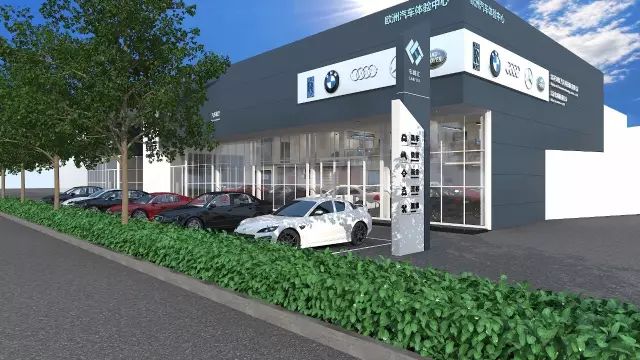
Use this visual with the section above to read spatial relationships, bay organization and site conditions.
Map the Space Around Workflow
This part focuses on map the space around workflow in relation to reception and brand image. For an automotive service space, the key is to connect business positioning, vehicle flow, people flow, service bays, equipment points and customer-facing areas instead of treating decoration as an isolated task.
Before moving into drawings or construction, owners should check whether the current plan supports daily operation: vehicles should enter and leave clearly, technicians should work without unnecessary detours, customers should understand the service process, and equipment conditions should be coordinated with the site.
Zhuoyi Design uses this type of question to turn early planning into practical design scope, including layout logic, workshop organization, reception image, brand expression and implementation coordination.
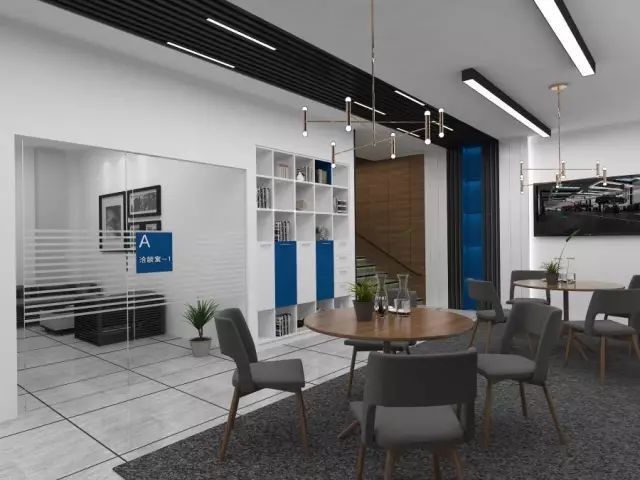
Use this visual with the section above to read spatial relationships, bay organization and site conditions.
Coordinate Brand, Equipment and Construction
This part focuses on coordinate brand, equipment and construction in relation to reception and brand image. For an automotive service space, the key is to connect business positioning, vehicle flow, people flow, service bays, equipment points and customer-facing areas instead of treating decoration as an isolated task.
Before moving into drawings or construction, owners should check whether the current plan supports daily operation: vehicles should enter and leave clearly, technicians should work without unnecessary detours, customers should understand the service process, and equipment conditions should be coordinated with the site.
Zhuoyi Design uses this type of question to turn early planning into practical design scope, including layout logic, workshop organization, reception image, brand expression and implementation coordination.
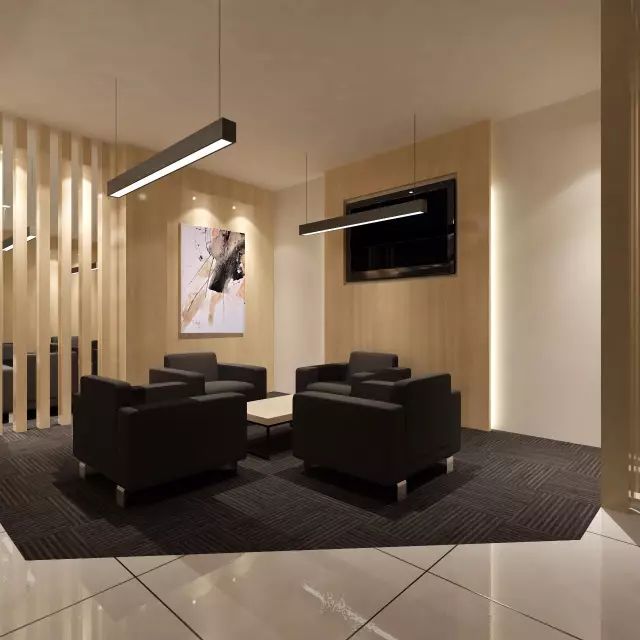
Use this visual with the section above to read spatial relationships, bay organization and site conditions.
Owner Checklist Before Moving Forward
This part focuses on owner checklist before moving forward in relation to reception and brand image. For an automotive service space, the key is to connect business positioning, vehicle flow, people flow, service bays, equipment points and customer-facing areas instead of treating decoration as an isolated task.
Before moving into drawings or construction, owners should check whether the current plan supports daily operation: vehicles should enter and leave clearly, technicians should work without unnecessary detours, customers should understand the service process, and equipment conditions should be coordinated with the site.
Zhuoyi Design uses this type of question to turn early planning into practical design scope, including layout logic, workshop organization, reception image, brand expression and implementation coordination.
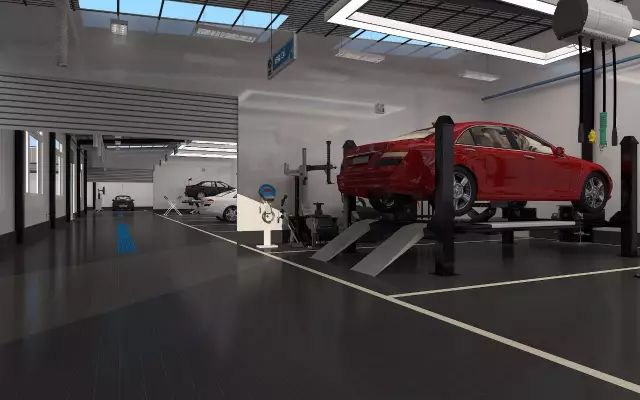
Use this visual with the section above to read spatial relationships, bay organization and site conditions.
Planning Note 05
This part focuses on planning note 05 in relation to reception and brand image. For an automotive service space, the key is to connect business positioning, vehicle flow, people flow, service bays, equipment points and customer-facing areas instead of treating decoration as an isolated task.
Before moving into drawings or construction, owners should check whether the current plan supports daily operation: vehicles should enter and leave clearly, technicians should work without unnecessary detours, customers should understand the service process, and equipment conditions should be coordinated with the site.
Zhuoyi Design uses this type of question to turn early planning into practical design scope, including layout logic, workshop organization, reception image, brand expression and implementation coordination.

Use this visual with the section above to read spatial relationships, bay organization and site conditions.
Planning Note 06
This part focuses on planning note 06 in relation to reception and brand image. For an automotive service space, the key is to connect business positioning, vehicle flow, people flow, service bays, equipment points and customer-facing areas instead of treating decoration as an isolated task.
Before moving into drawings or construction, owners should check whether the current plan supports daily operation: vehicles should enter and leave clearly, technicians should work without unnecessary detours, customers should understand the service process, and equipment conditions should be coordinated with the site.
Zhuoyi Design uses this type of question to turn early planning into practical design scope, including layout logic, workshop organization, reception image, brand expression and implementation coordination.
Planning Note 07
This part focuses on planning note 07 in relation to reception and brand image. For an automotive service space, the key is to connect business positioning, vehicle flow, people flow, service bays, equipment points and customer-facing areas instead of treating decoration as an isolated task.
Before moving into drawings or construction, owners should check whether the current plan supports daily operation: vehicles should enter and leave clearly, technicians should work without unnecessary detours, customers should understand the service process, and equipment conditions should be coordinated with the site.
Zhuoyi Design uses this type of question to turn early planning into practical design scope, including layout logic, workshop organization, reception image, brand expression and implementation coordination.
Planning Note 08
This part focuses on planning note 08 in relation to reception and brand image. For an automotive service space, the key is to connect business positioning, vehicle flow, people flow, service bays, equipment points and customer-facing areas instead of treating decoration as an isolated task.
Before moving into drawings or construction, owners should check whether the current plan supports daily operation: vehicles should enter and leave clearly, technicians should work without unnecessary detours, customers should understand the service process, and equipment conditions should be coordinated with the site.
Zhuoyi Design uses this type of question to turn early planning into practical design scope, including layout logic, workshop organization, reception image, brand expression and implementation coordination.
Planning Note 09
This part focuses on planning note 09 in relation to reception and brand image. For an automotive service space, the key is to connect business positioning, vehicle flow, people flow, service bays, equipment points and customer-facing areas instead of treating decoration as an isolated task.
Before moving into drawings or construction, owners should check whether the current plan supports daily operation: vehicles should enter and leave clearly, technicians should work without unnecessary detours, customers should understand the service process, and equipment conditions should be coordinated with the site.
Zhuoyi Design uses this type of question to turn early planning into practical design scope, including layout logic, workshop organization, reception image, brand expression and implementation coordination.
Planning Note 10
This part focuses on planning note 10 in relation to reception and brand image. For an automotive service space, the key is to connect business positioning, vehicle flow, people flow, service bays, equipment points and customer-facing areas instead of treating decoration as an isolated task.
Before moving into drawings or construction, owners should check whether the current plan supports daily operation: vehicles should enter and leave clearly, technicians should work without unnecessary detours, customers should understand the service process, and equipment conditions should be coordinated with the site.
Zhuoyi Design uses this type of question to turn early planning into practical design scope, including layout logic, workshop organization, reception image, brand expression and implementation coordination.
Planning Note 11
This part focuses on planning note 11 in relation to reception and brand image. For an automotive service space, the key is to connect business positioning, vehicle flow, people flow, service bays, equipment points and customer-facing areas instead of treating decoration as an isolated task.
Before moving into drawings or construction, owners should check whether the current plan supports daily operation: vehicles should enter and leave clearly, technicians should work without unnecessary detours, customers should understand the service process, and equipment conditions should be coordinated with the site.
Zhuoyi Design uses this type of question to turn early planning into practical design scope, including layout logic, workshop organization, reception image, brand expression and implementation coordination.
Planning Note 12
This part focuses on planning note 12 in relation to reception and brand image. For an automotive service space, the key is to connect business positioning, vehicle flow, people flow, service bays, equipment points and customer-facing areas instead of treating decoration as an isolated task.
Before moving into drawings or construction, owners should check whether the current plan supports daily operation: vehicles should enter and leave clearly, technicians should work without unnecessary detours, customers should understand the service process, and equipment conditions should be coordinated with the site.
Zhuoyi Design uses this type of question to turn early planning into practical design scope, including layout logic, workshop organization, reception image, brand expression and implementation coordination.
Planning Note 13
This part focuses on planning note 13 in relation to reception and brand image. For an automotive service space, the key is to connect business positioning, vehicle flow, people flow, service bays, equipment points and customer-facing areas instead of treating decoration as an isolated task.
Before moving into drawings or construction, owners should check whether the current plan supports daily operation: vehicles should enter and leave clearly, technicians should work without unnecessary detours, customers should understand the service process, and equipment conditions should be coordinated with the site.
Zhuoyi Design uses this type of question to turn early planning into practical design scope, including layout logic, workshop organization, reception image, brand expression and implementation coordination.
Planning Note 14
This part focuses on planning note 14 in relation to reception and brand image. For an automotive service space, the key is to connect business positioning, vehicle flow, people flow, service bays, equipment points and customer-facing areas instead of treating decoration as an isolated task.
Before moving into drawings or construction, owners should check whether the current plan supports daily operation: vehicles should enter and leave clearly, technicians should work without unnecessary detours, customers should understand the service process, and equipment conditions should be coordinated with the site.
Zhuoyi Design uses this type of question to turn early planning into practical design scope, including layout logic, workshop organization, reception image, brand expression and implementation coordination.
Define the Planning Conditions
This part focuses on define the planning conditions in relation to reception and brand image. For an automotive service space, the key is to connect business positioning, vehicle flow, people flow, service bays, equipment points and customer-facing areas instead of treating decoration as an isolated task.
Before moving into drawings or construction, owners should check whether the current plan supports daily operation: vehicles should enter and leave clearly, technicians should work without unnecessary detours, customers should understand the service process, and equipment conditions should be coordinated with the site.
Zhuoyi Design uses this type of question to turn early planning into practical design scope, including layout logic, workshop organization, reception image, brand expression and implementation coordination.
Planning Note 16
This part focuses on planning note 16 in relation to reception and brand image. For an automotive service space, the key is to connect business positioning, vehicle flow, people flow, service bays, equipment points and customer-facing areas instead of treating decoration as an isolated task.
Before moving into drawings or construction, owners should check whether the current plan supports daily operation: vehicles should enter and leave clearly, technicians should work without unnecessary detours, customers should understand the service process, and equipment conditions should be coordinated with the site.
Zhuoyi Design uses this type of question to turn early planning into practical design scope, including layout logic, workshop organization, reception image, brand expression and implementation coordination.
Self-Check List
- 01The first impression builds customer trust
- 02Reception, waiting and handover routes are clear
- 03Facade and interior brand expression are consistent
Article Keywords
Related Entry Points
Auto repair shop planning, workshop layout, brand SI and drawing support.
Planning ideas for quick service, collision, tire, detailing and dealership projects.
From site diagnosis and layout scheme to implementation support.
Share area, photos or a plan for a quick layout priority review.